
Homecoming
The King has got a crown again...

You thought the leaden winter
Would bring you down forever
But you rode upon a steamer
To the violence of the sun
*
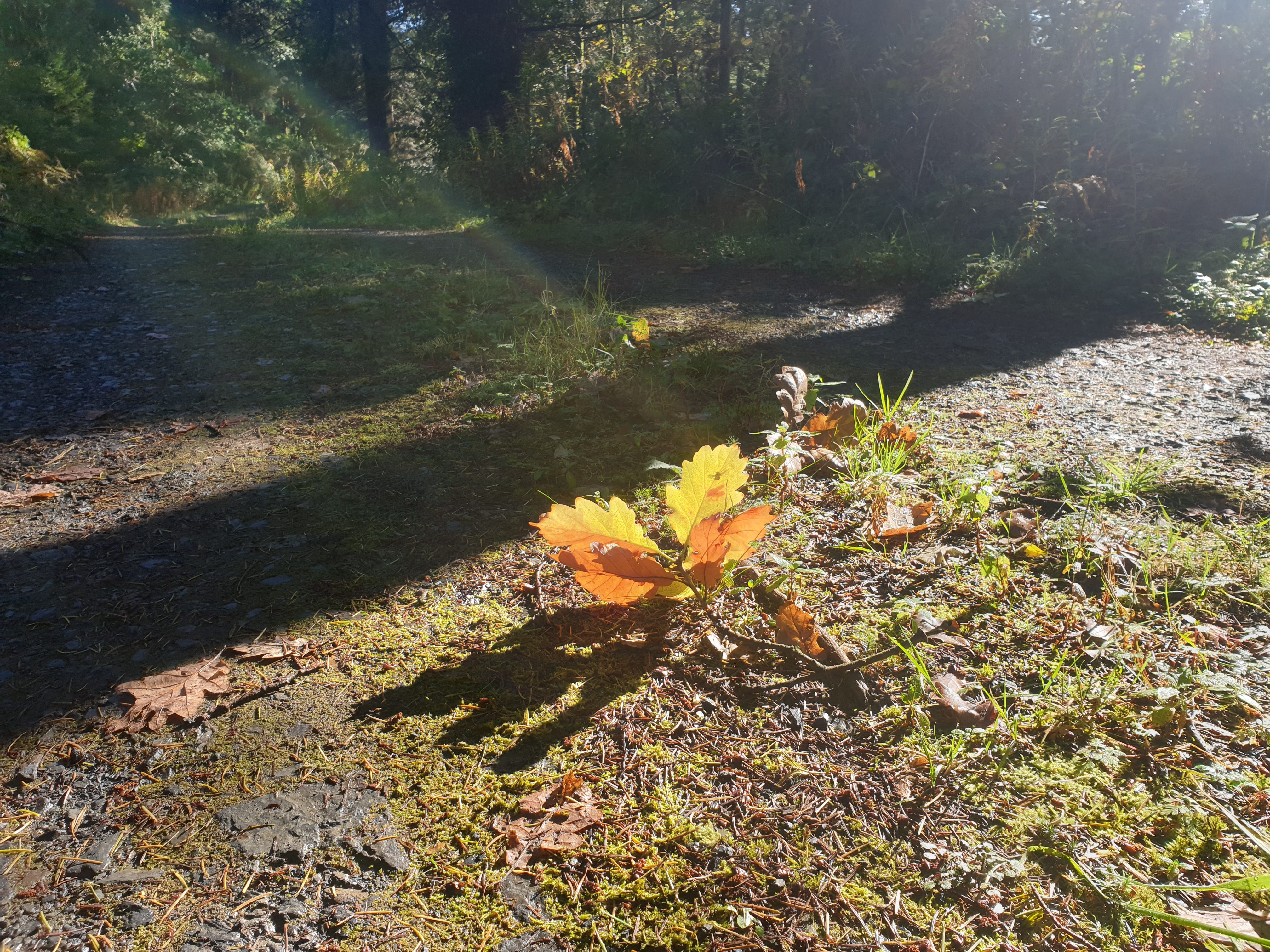
I left the Shire at the same time as Frodo, at the end of September last year. Like Frodo, I first took lodgings in the borderlands - near ‘Crickhollow’ and the grand Wye, on the edge of the Great Forest beyond - and pretended to continue my ordinary life.
In truth, however, I was plotting a secret abscondment.
I spent some time in a house of friends, in the cleft of a ridge leading to the great mountains - a house of warmth, and song, and lore, and love; the closest approximation to Rivendell I could find.
And then (passing through town, where the Big People live), I headed south and east, through places I’d never been before, to a rocky land dominated by a mighty volcano, peopled by fellas like this:
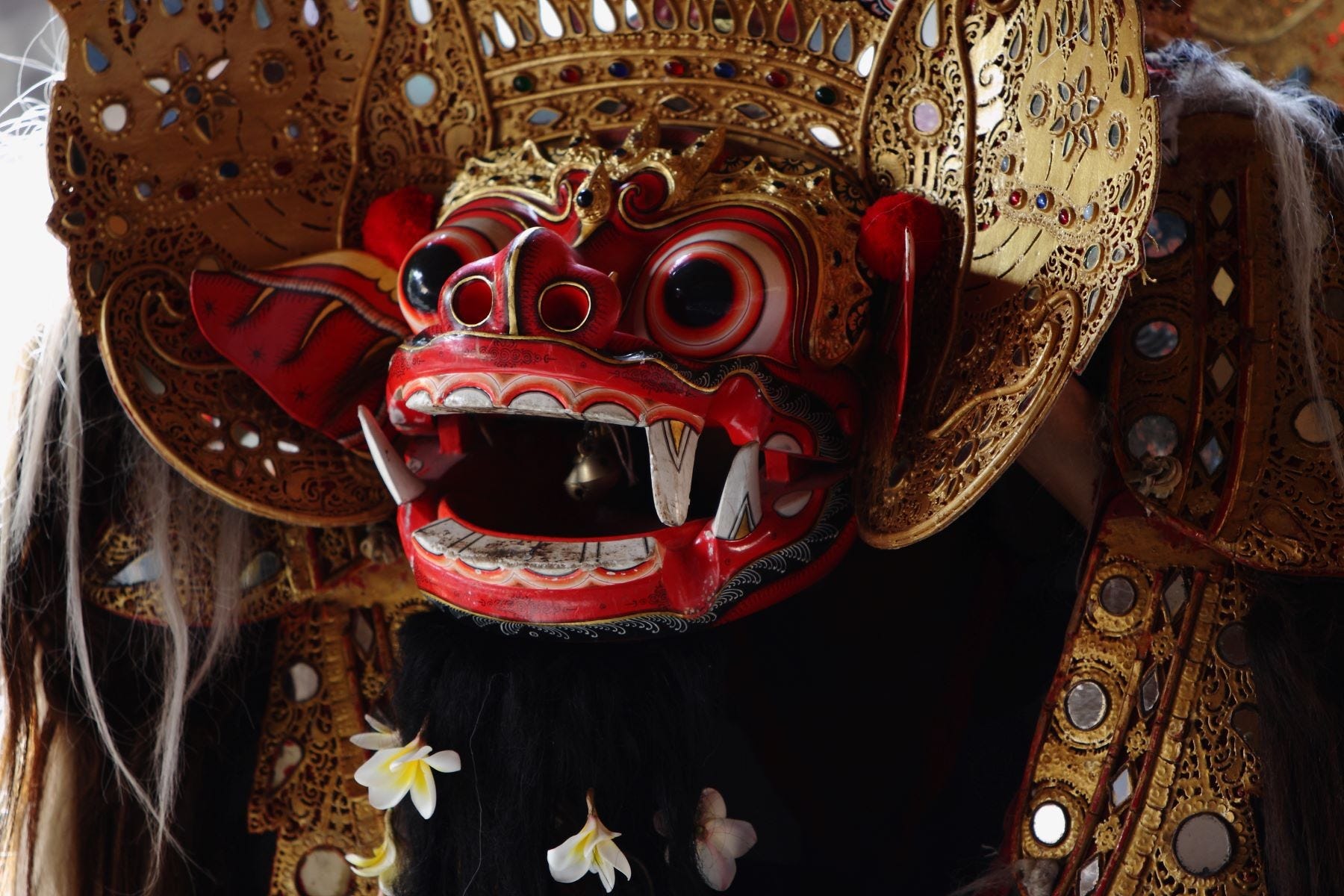
There I spent my Springtime, when all was lush and blooming back home, dragging my weary soul across a dry, bitter plain of heat and violence.
And yes, in May, just like in the story, there was an ascension of the sovereign principle, a sacred marriage of Yin and Yang, and peace and order were restored to the kingdom.
Unlike in stories, however, one should not expect to dissolve the ring of selfhood in a single act, however deep into the underworld you descend, however hot the fires you find there.
So, not yet ready to return, I repeated the cycle: travelling south and east to an ancient land of scorched desert and tyrannical rule1. There, I saw strange, violent visions pass before my waking eyes, climbed deep into the heart of the mountain, confronted the shadow of my self, with a sharp reminder of bodily mortality (Frodo lost a finger, I a tooth) - and then waited, spent and broken on the slopes of the volcano (“here, at the end of all things”) for the wings of grace to fly me west again.
I did not come by the most direct route, of course. There were nobles to visit, riches to accept, a few days’ rest in town to catch up on news.
But now I have arrived back home. Inevitably, things are not as they were. The land is sick, the people cowed. Grey, satanic mills have been erected. The party tree has been cut down.
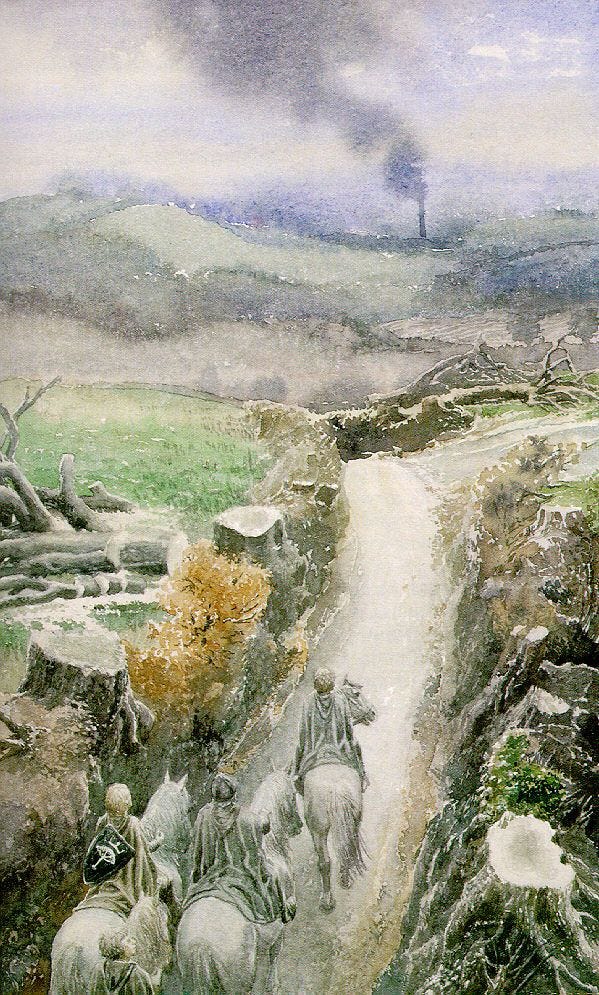
There is work here to be done: healing to help happen, hope to be kindled. I do not know what portion of that work will fall to me before I sail again for the Undying Lands, but I am lending my arm where I can be of use.
This being the Shire, heroism is not so much a matter of bright shields and shining swords. There are no orcs to battle but the orcs of unkindness and despair; no trolls to trick but the trolls of the mind. The heroism to be found here is smaller, more domestic. But small acts in service of that which matters to you the most turn out to be the most meaningful.
If anyone asked me for advice (no-one ever asks me for advice), I would say: It is possible to live your life this way. It is possible to set sail for love and adventure, and to find it, and to make it back home (mostly) intact2. With a little mêtis, it is possible to let your own movements match the cycles of the deeper stories, to arrange the shadow-play of existence in a way that reflects its origin in something greater.
And, when you do, you find the stories rising up to meet you. A subtle wind behind your back surreptitiously aiding you in your journey. The path beneath your feet running into a broader road, that leads to places unthought of.
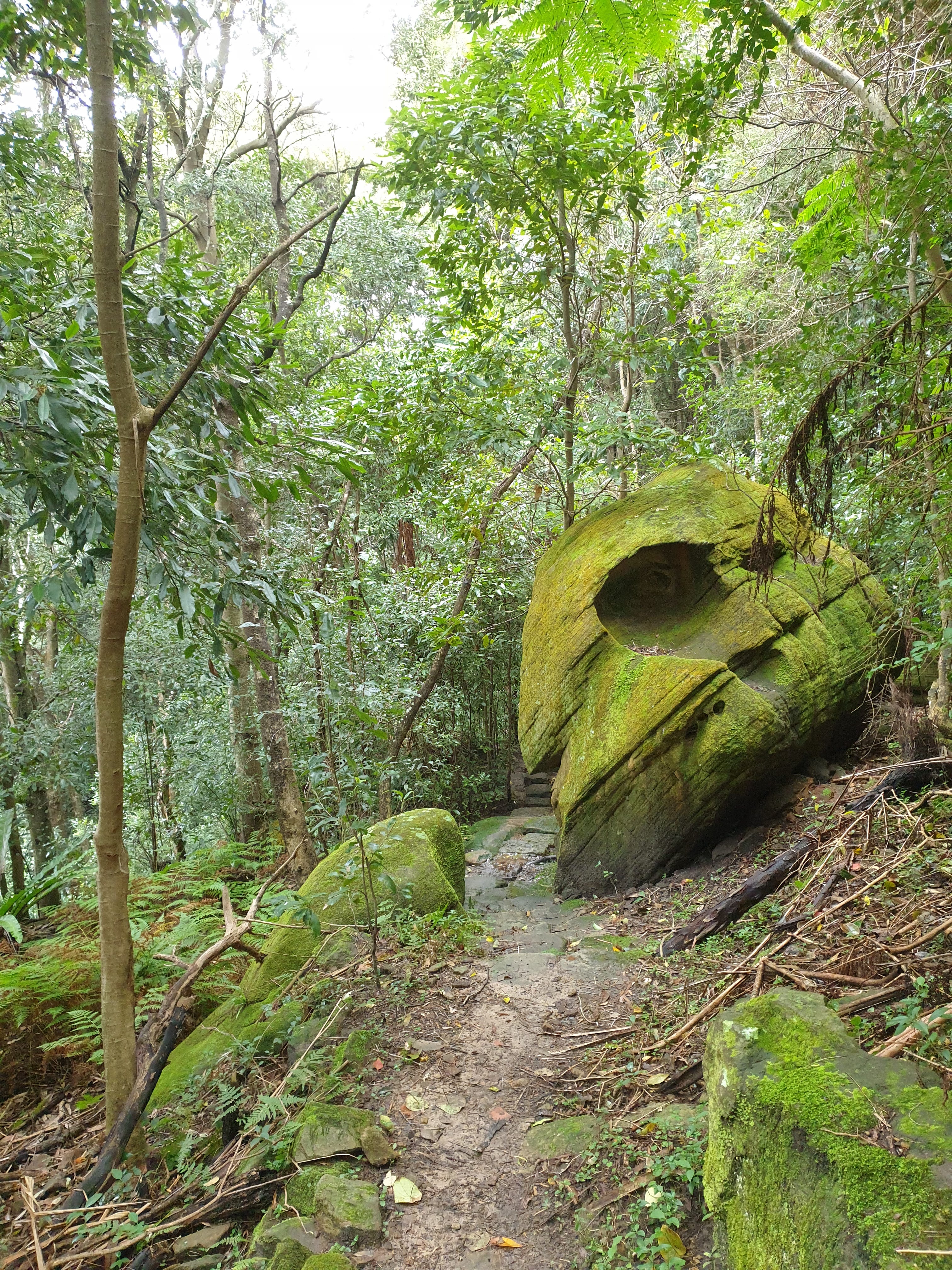
“How do you pick up the threads of an old life?”
When Odysseus finally arrived home (I’m telling the story out of order now - we haven’t even got to the dragon and the whirlpool yet - but, hey, so did Homer, so I guess I’m in good company), he did so in the guise of a ragged, impoverished old man.
(I, too, have cleverly adopted this appearance for my homecoming…)
Humility is the heart of return. After everything he had seen, after all the transformative experiences he had endured, Odysseus had to to make himself small, to turn himself into a nobody (“Nohbdy”), to find out the true state of things on Ithaka; had to sneak back in under cover of darkness, rather than arriving in triumphant pomp and ritual, to see the place clearly - it was only through letting go of everything he’d gained on his journey that he could really return home again.
To convince yourself you are the hero of a story is pure self-inflation - unless you understand that you, and the story, are in service to that ‘something greater’. Then it is a species of magic; one that can help lead you back to the very heart of your true home.
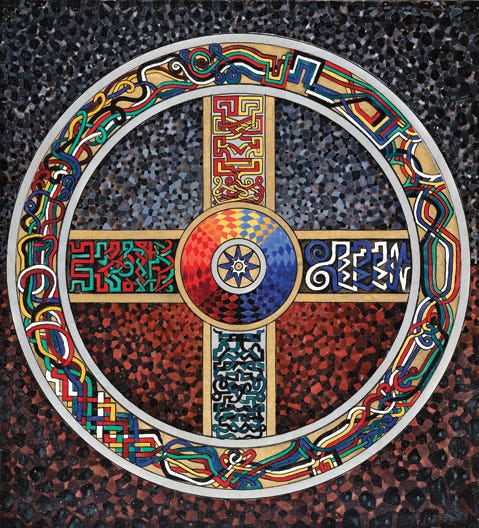
For now, we are entering the winter quiescence. The Shire has been roused, the rule of Saruman broken. It is time to clean up the mess; for quiet, sensible administration; to take stock of the year that has passed.
But, of course, the nice thing about stories is that they never really end, any more than winter means the end of summer forever. They are told, and then retold. The story-cycle starts up again, the spark rekindles, and adventure begins to call you out once more…
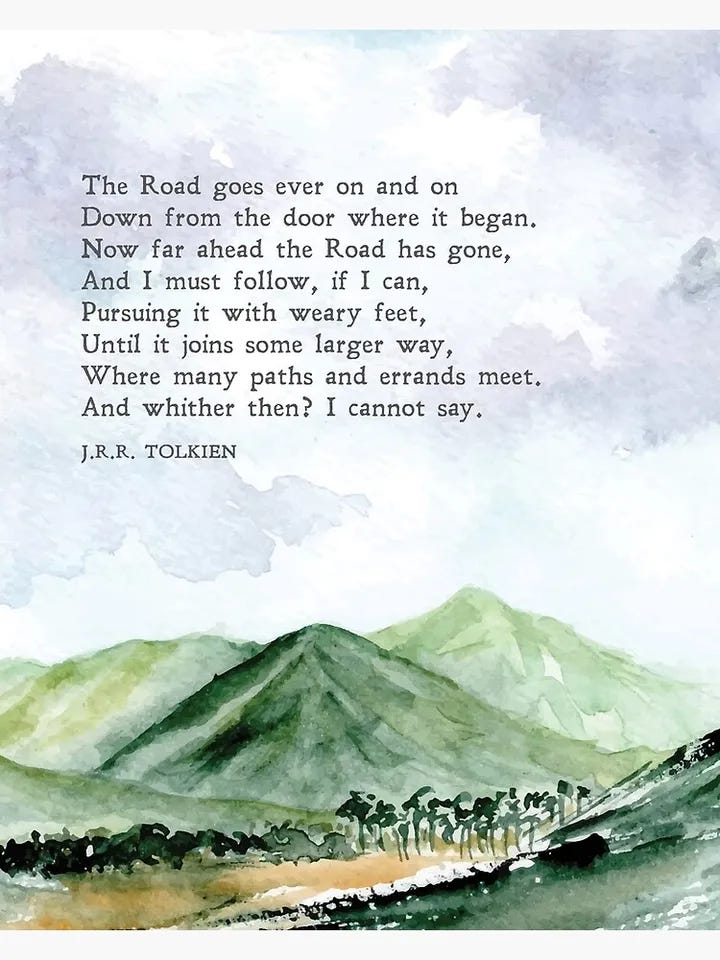
I arrived, funnily enough, just a few days before Julian Assange did. Weird timing, in a year that was all about wyrd timing.
I’m not saying I caused the release of the world’s most famous political prisoner after a decade of confinement by matching my travel plans to the timeline of a 1950s fantasy novel. But I’m not not saying that either.
Splendid words, look forward to hearing more from the withered mouth.
Well, well, it sounds like you've been having a right old time!
"To convince yourself you are the hero of a story..." took me straight back to this post from Gordo Baggins:
https://runesoup.substack.com/p/it-really-is-all-about-you?utm_source=publication-search